



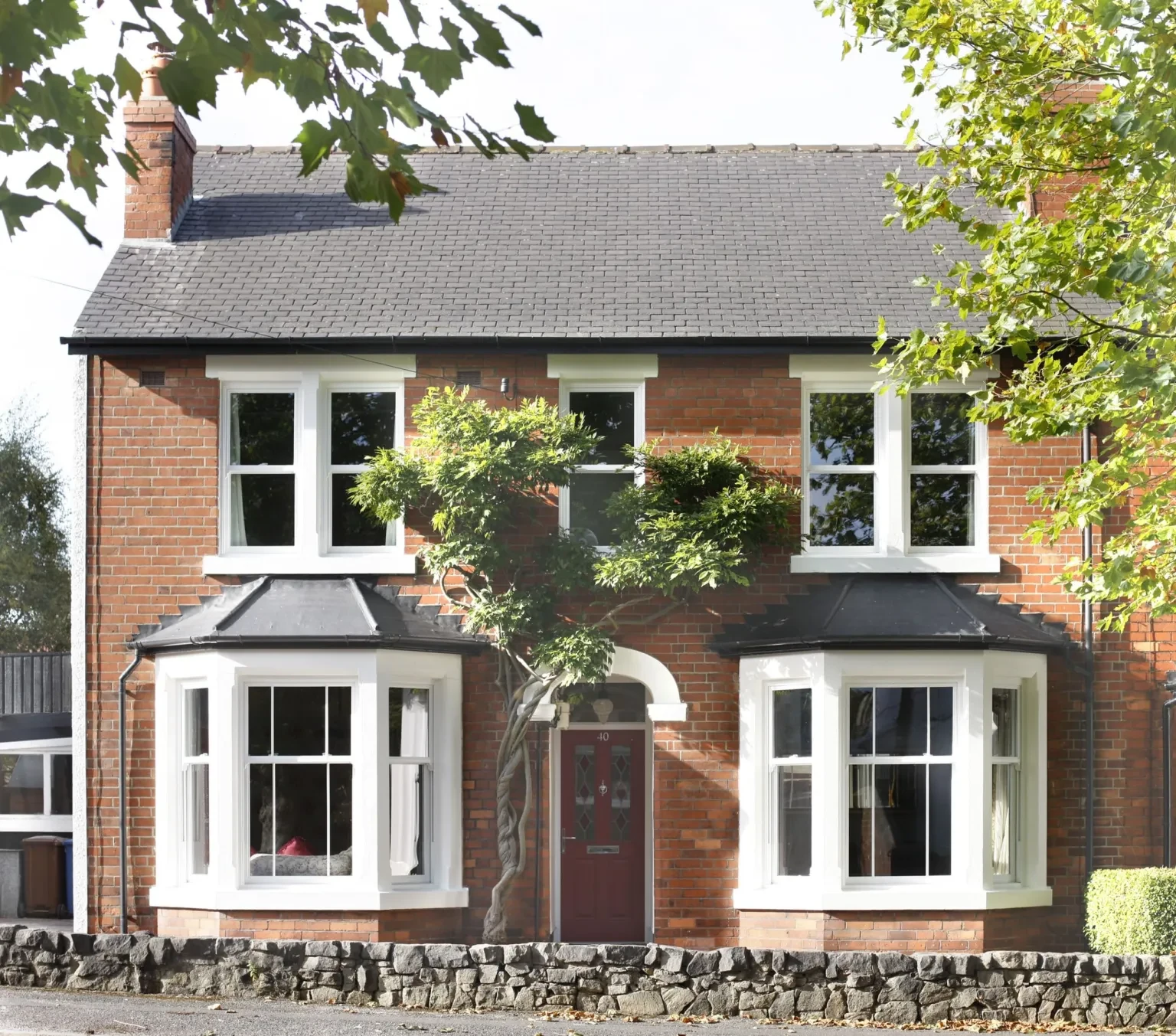


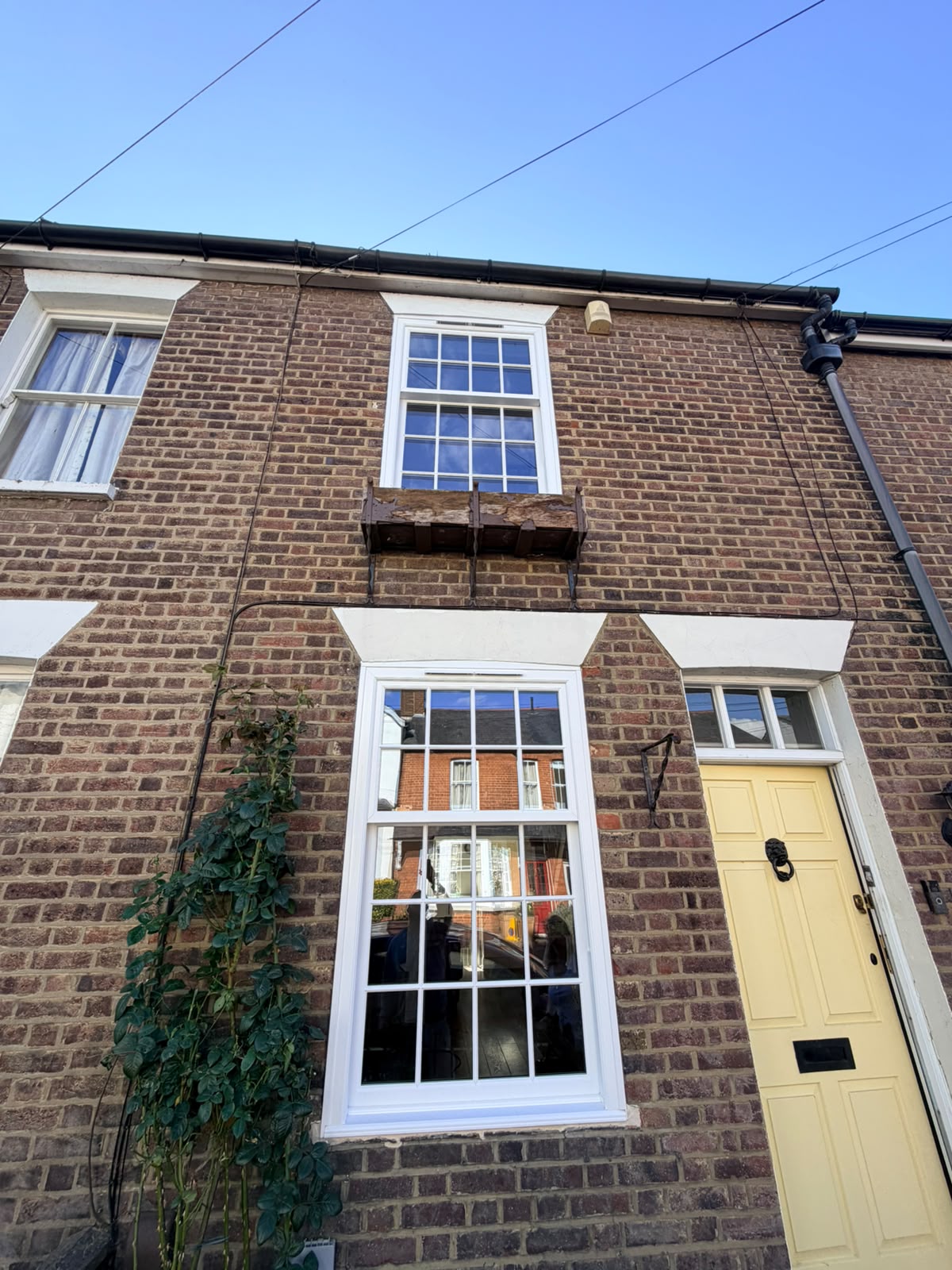
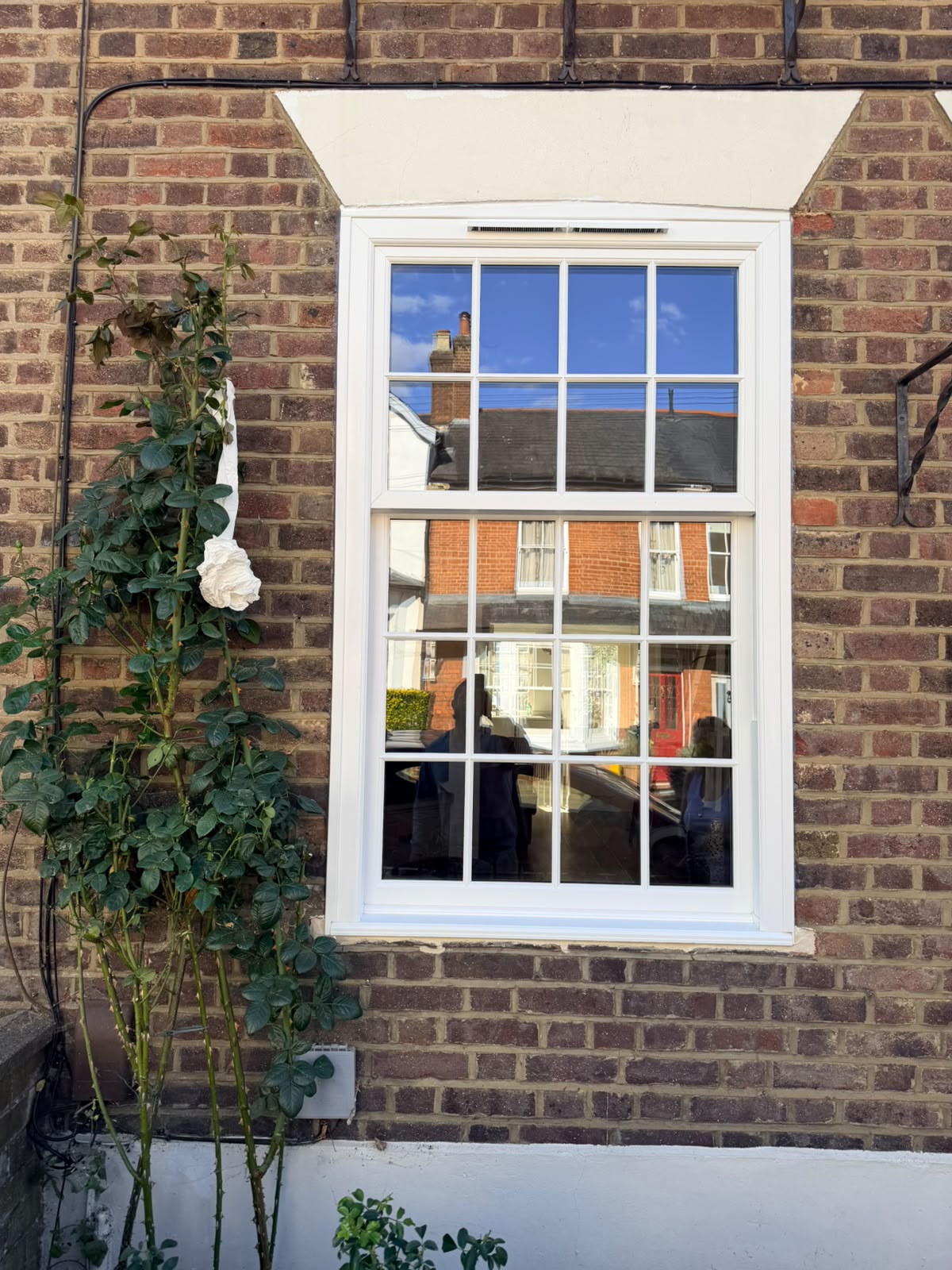
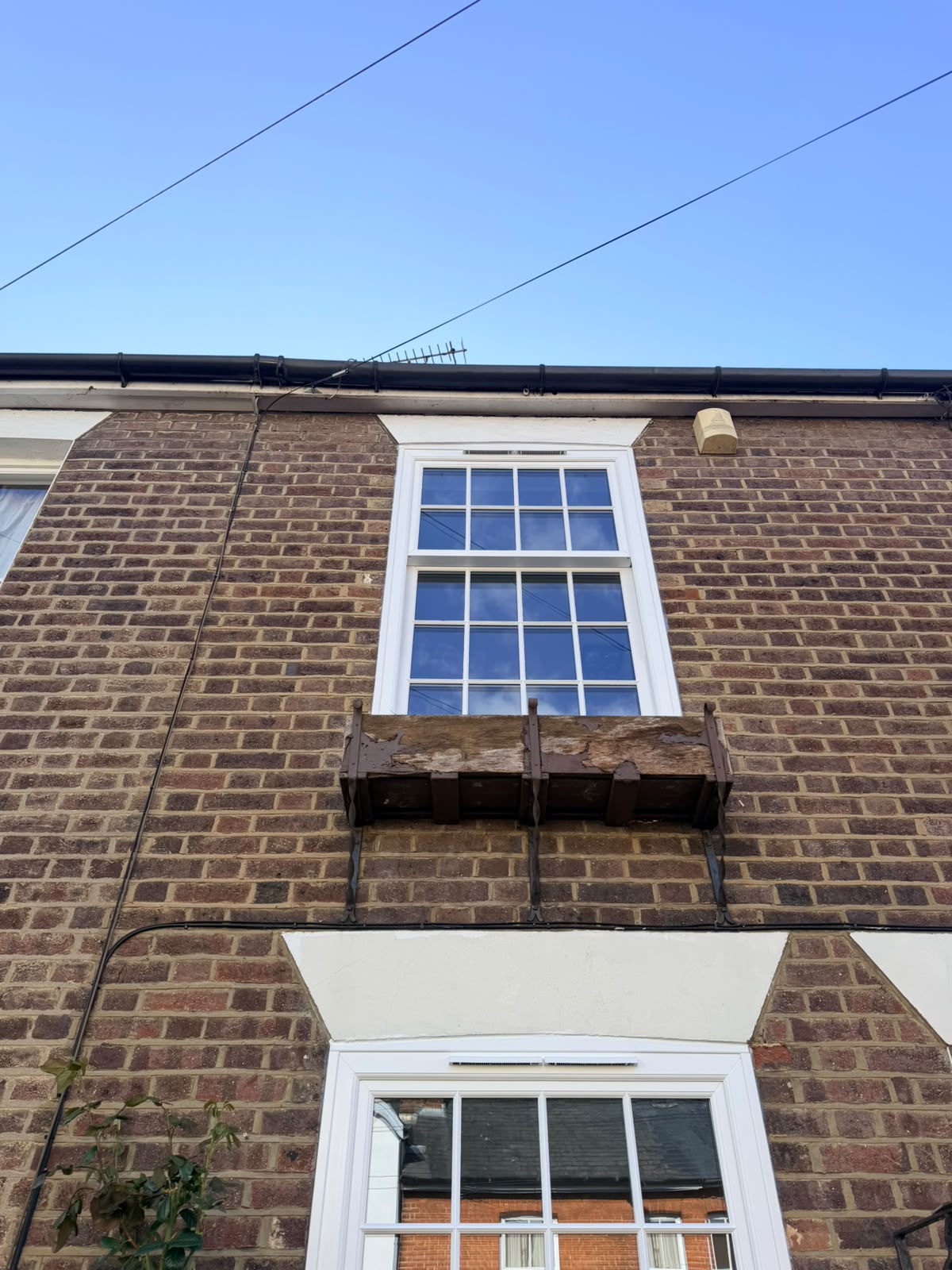












The sheltered rear of a High Wycombe home may have very different conditions from a frontage that faces wind or driving rain. Tell the surveyor which openings get draughts, where water collects on an existing cill and which rooms are cold beside the glass. Look at the frames after rain as well as on a dry day. These observations help when you discuss the cill, drainage and seals.
Keep the window in scale with the house
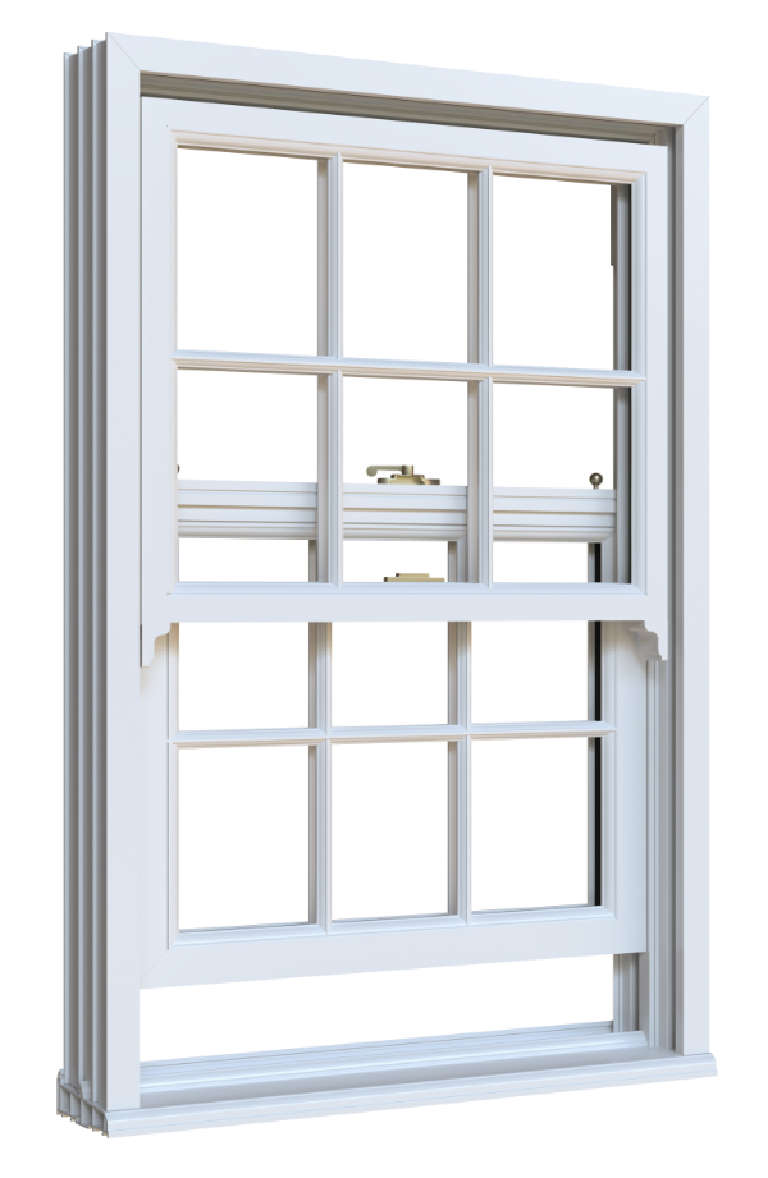
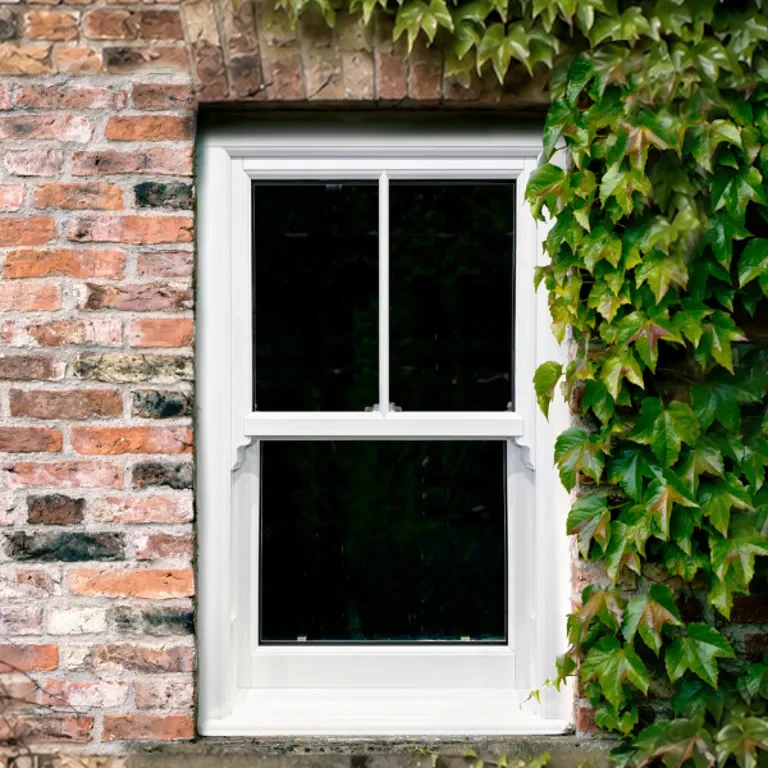
Photograph the existing openings and mark the lines of the meeting rails. A replacement can look heavier if the frame or the bars take up more of the opening. Review a drawing to see how much glass will be visible. Where you want a traditional appearance, compare horn and square-joint options at full scale. Look at the finish outdoors to see how it relates to neighbouring frames.
Choose glass and ventilation for each elevation
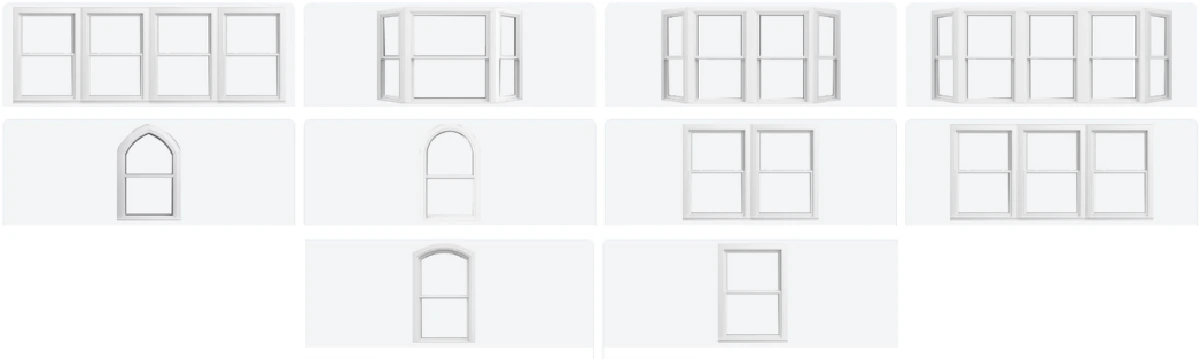
Ask for the complete window’s thermal figures where warmth is a priority. If one room picks up more outside noise, discuss acoustic glazing for that opening together with ventilation and sealing. Confirm where vents will sit if they are needed and check whether the windows will match from outside despite differences in glazing. Decide where obscure glass would give privacy without making the room unnecessarily dark. If you are comparing specialist frame systems, take a look at our uPVC flush sash windows to see how different sightlines and opening configurations work together.
Test opening action, locks and cleaning access
Try opening the top and bottom sections of a sample and check how much effort it takes to move them. On upper floors, consider whether a tilt-in feature would make cleaning easier and check whether blinds or deep reveals limit movement. Ask to try the catches and any restrictors you have specified. Note how the seals and tracks should be cleaned before settling on a design.
Check the finish before the first spell of bad weather
Inspect the seals and the outside edge of the cill while the fitter is there. Ask which openings in the frame are provided for drainage and how to keep them clear. If there was water around the old opening, make sure you understand what the survey identified and how the new installation deals with it.
Keep a short record of each frame’s finish and glass. If a sheltered window needs a different look or specification from an exposed one, note the difference so any later replacement follows the right example. Ask who to contact if an adjustment is needed after fitting.
Use fitting day to check the cills and seals
Ask the contractor how the new cill will shed water and what is included around the new frames. At handover, raise and lower each sash, close the catches and look at the finish around the reveals. Get the care instructions and relevant paperwork in writing. Keep a note of who to contact if the sash needs adjustment after it has been used for a while. We also serve homeowners nearby—view all glazing services available in London.
What to confirm before ordering
- Exposed openings identified before the survey
- Cill and drainage details agreed for those windows
- Instructions for cleaning the tracks and arranging aftercare