What Quality Should You Expect from Installed Glass?
New double glazing should give you a clear view in normal use. If you spot a scratch, small blemish or faint haze after installation, the type of glass and the conditions in which you see it help determine whether it needs attention.
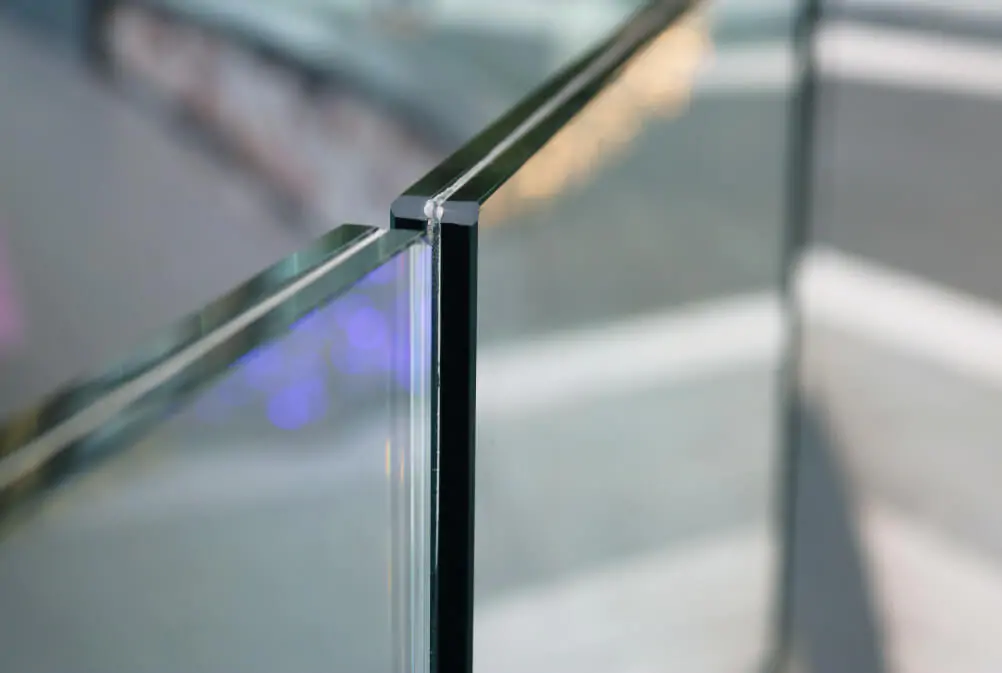
Scratches on window glass. A close-up records the mark, while the viewing check below helps show whether it affects the view.
What is the Glass and Glazing Federation?
The Glass and Glazing Federation (GGF) is the trade association representing glass and glazing businesses in the UK. It helps set industry expectations by publishing technical guidance and promoting good practice in manufacturing, installation and assessment. Its guidance sits alongside the British and European standards that apply to particular glazing products.
How to check your glass after installation
The GGF’s November 2004 leaflet, Visual Quality of Double Glazing – after Installation, describes a room-side check for clear double glazing. Use this method when reading the leaflet:
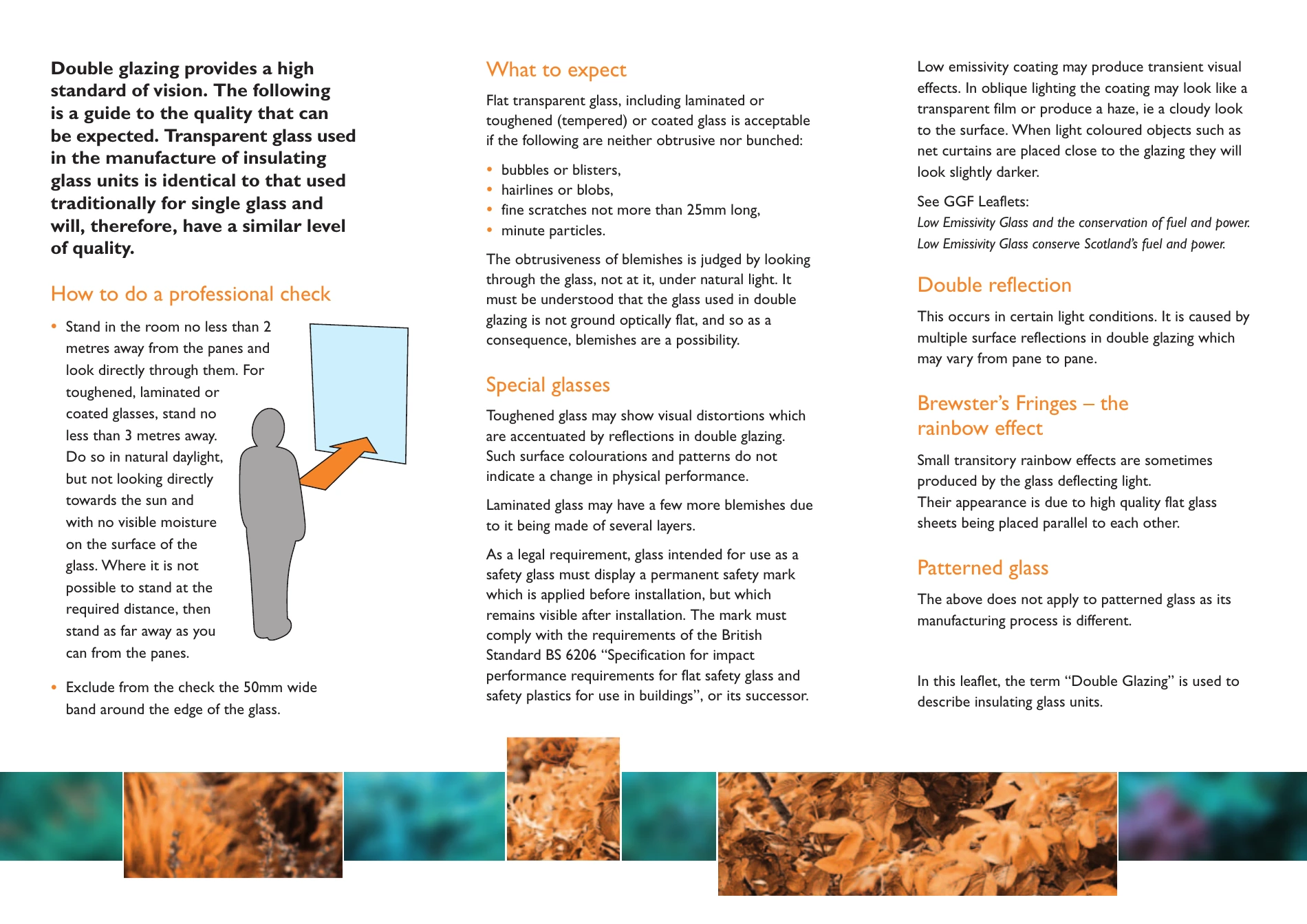
Stand inside and look straight through the glass as you would in normal use. The leaflet gives a minimum distance of 2 metres for ordinary clear glass and 3 metres for toughened, laminated or coated glass. If the room is too small, stand as far back as you can.
Check in natural daylight with dry glass. Avoid direct sun and leave torches and magnifiers out of the inspection.
Leave out the 50 mm band around the perimeter when making this particular visual check.
The GGF’s more detailed Data Sheet 4.10 for insulating glass units specifies a minimum viewing distance of 3 metres for its assessment and sets out criteria for different zones of the pane. Ask your installer which specification applies to your glazing if a mark is in dispute.
Which marks can be acceptable?
The leaflet says that isolated, unobtrusive blemishes can be acceptable when they do not cluster together. Examples include tiny bubbles or particles and fine hairline marks. It includes fine scratches up to 25 mm in its assessment, subject to those same conditions. Length alone does not tell you whether a scratch is acceptable.
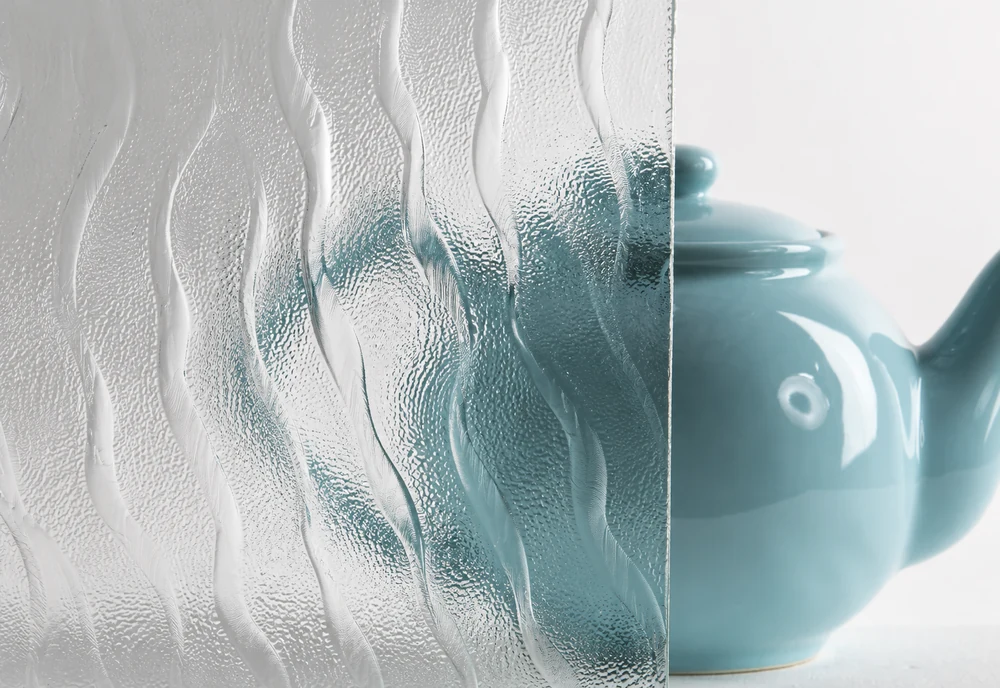
Toughened glass can show slight distortion in reflections. Low-emissivity coatings can look faintly hazy in angled light. Double reflections or a brief rainbow effect can also appear as the light changes. Patterned glass is manufactured differently and falls outside this particular viewing guidance.
When to contact your installer
If a mark stands out from the normal viewing position, or you see several marks together, raise it promptly. Note which pane is affected and where the mark sits. Take one photo from your usual viewing position and another close up for reference. Your installer can check the glass type, establish where the mark is and advise on repair or replacement.
A FENSA certificate confirms your replacement windows or doors comply with Building Regulations and are registered with your local council. Keep it safe for when you sell your home.
Certificates issued after 6 June 2014 also confirm the installer’s guarantee is insurance-backed, giving you protection if the installer stops trading. Before work starts, ask what your installer’s guarantee covers.