



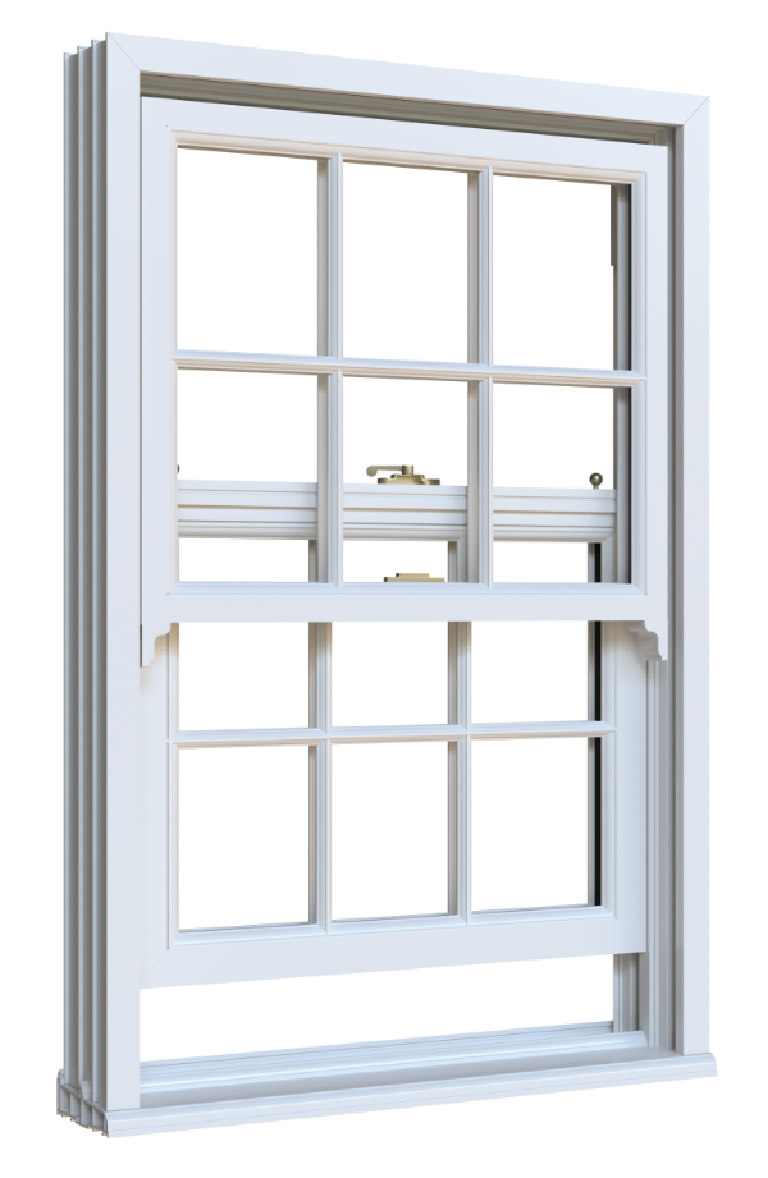
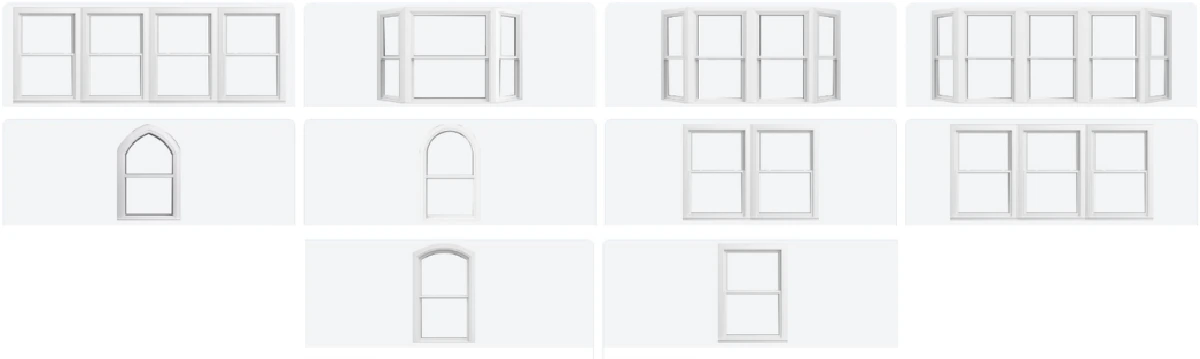


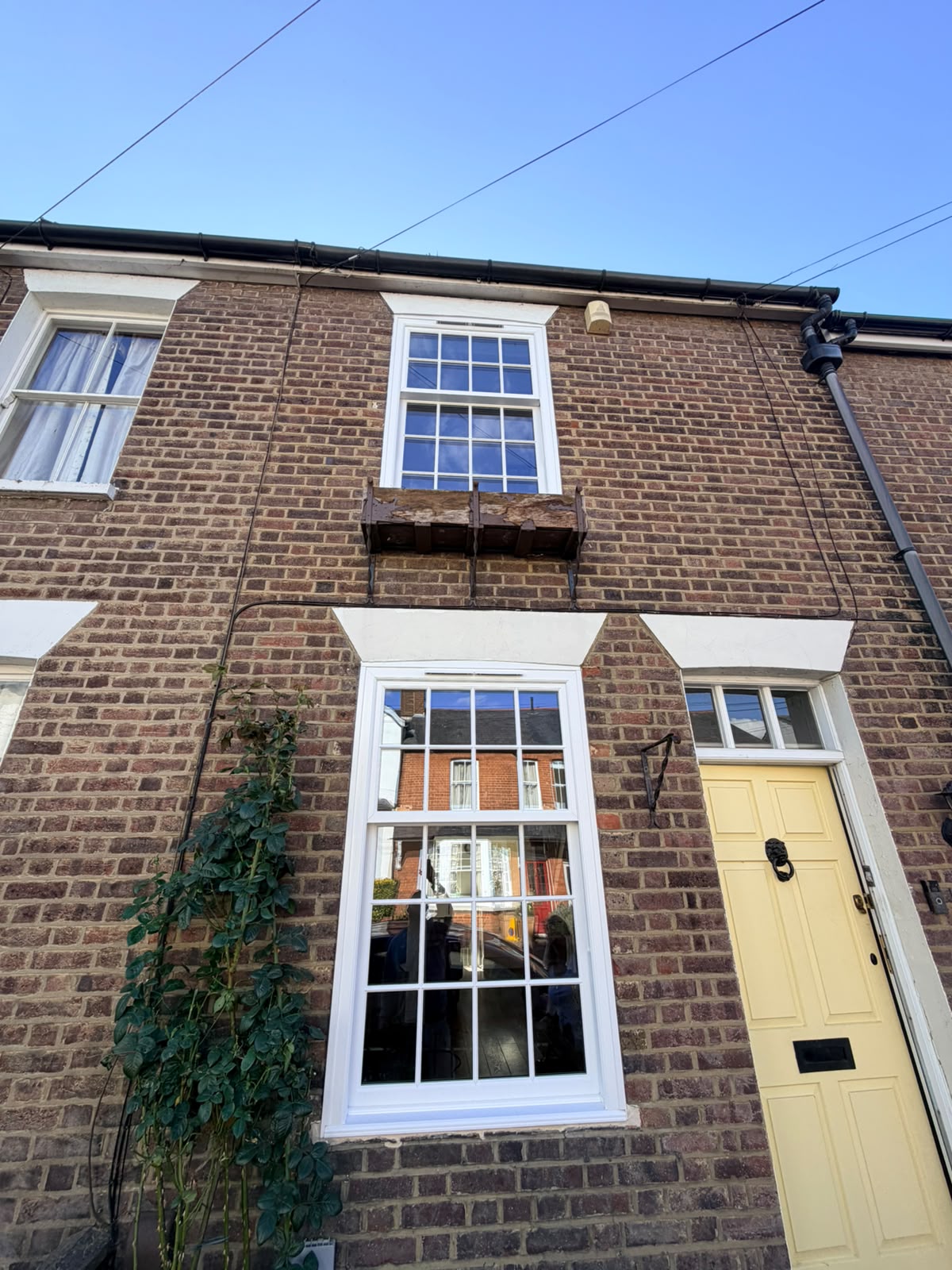
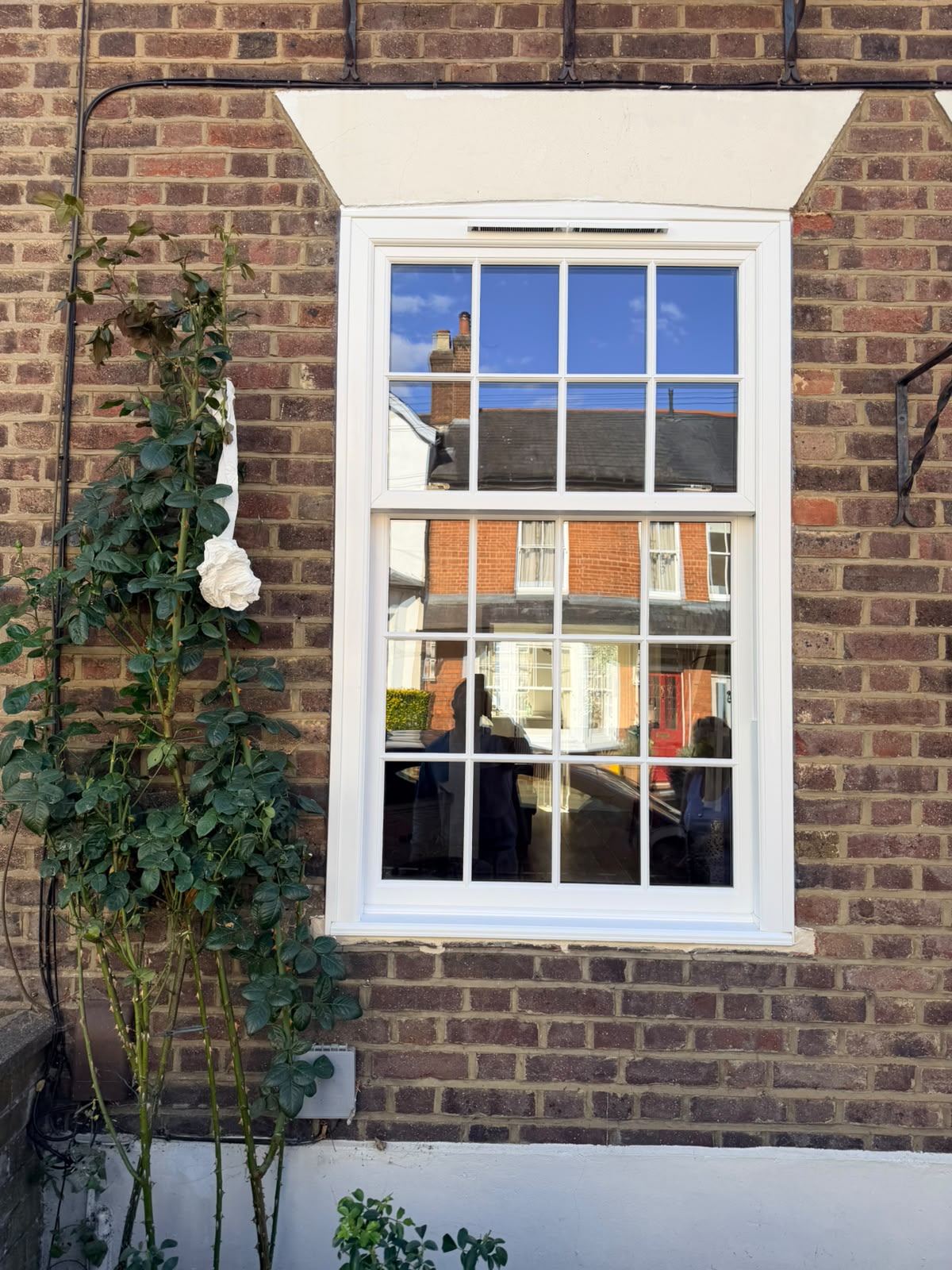
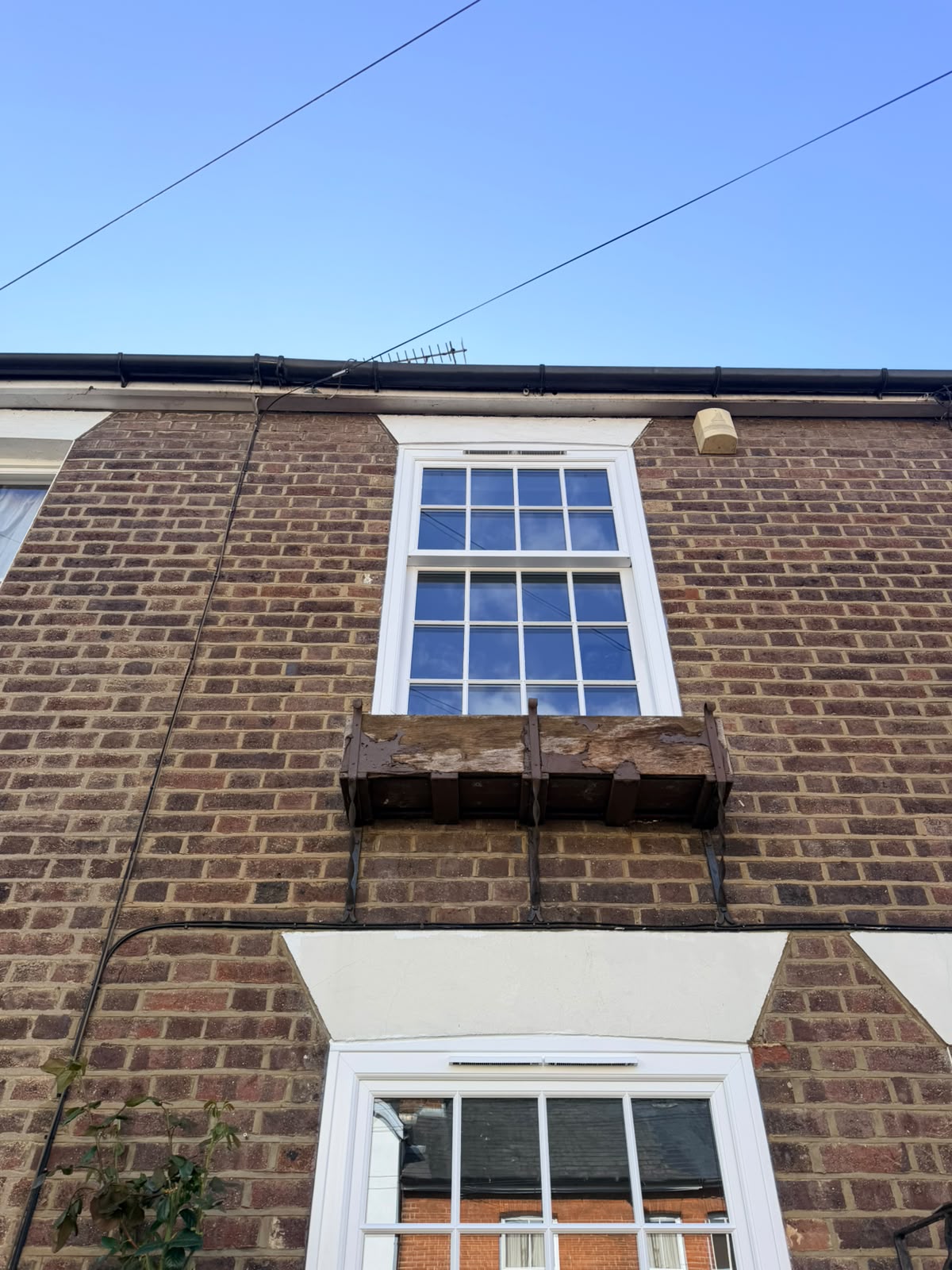












When you plan replacement sashes in Hatfield, look at the windows from the sofa, dining table and worktop as well as from the garden. A deeper frame or higher meeting rail can obstruct a view even when the structural opening is unchanged. Ask the surveyor to show the clear glass dimensions on the drawing. Compare plain panes with a bar pattern before deciding how much visual detail the room needs.
Keep the outside appearance coherent
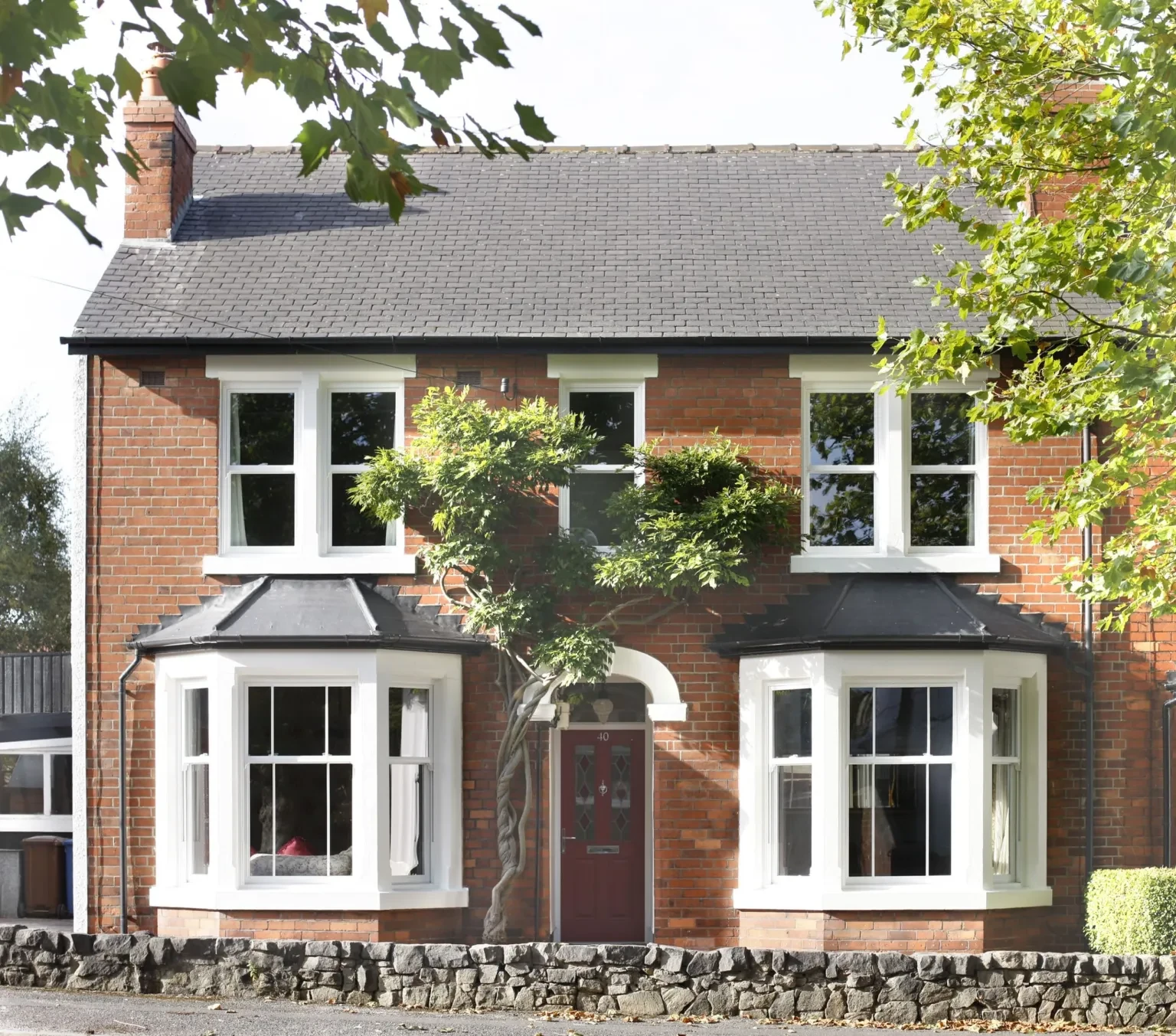
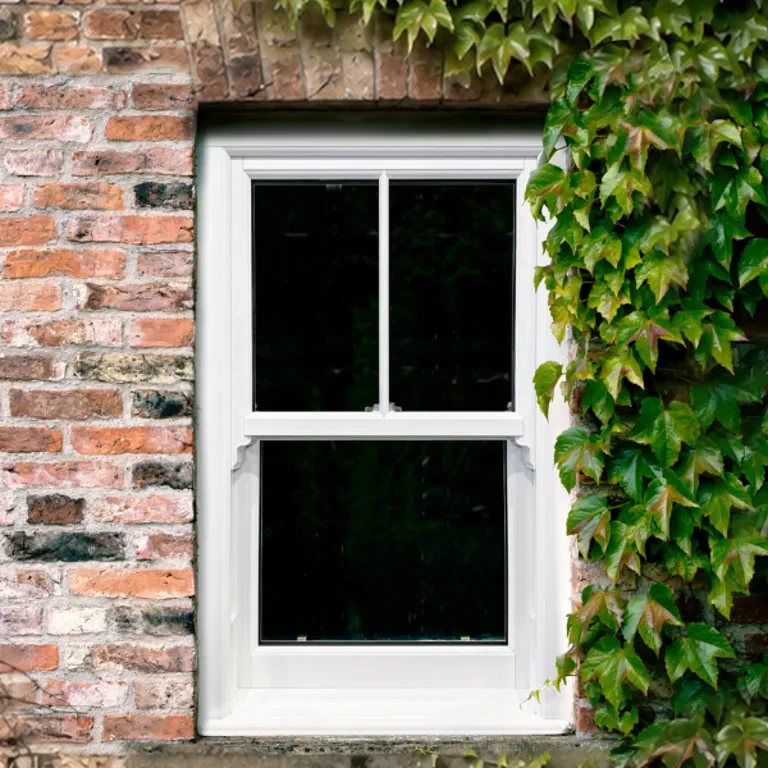
If an extension needs to sit alongside older windows, repeat the meeting rail positions or finish where the elevations are visible together. A tall sash need not have a heavily divided pane to look in proportion. Use a straight-on photograph to compare the new outline with the old. Check a frame sample against the wall and bring it inside to see how the colour works in a room with less daylight.
Choose glass for the room’s comfort
A sunlit room, a shaded bedroom and a front room facing traffic have different requirements. Note where you feel cold near the window or experience glare and explain when it happens. Ask the installer about the complete window’s thermal performance and how glazing, seals and background ventilation fit together. Decide where a privacy pane is useful and keep clear glass where an uninterrupted outlook matters. Homeowners planning a tailored specification often combine these options with uPVC flush sash windows for added performance and architectural detail.
Check the handles and cleaning access
Mark the position of taps, furniture, radiators and blinds on the drawing. A sash can be well suited to a kitchen because it moves vertically, but its catches need to be within reach. If an upper window tilts inward for cleaning, check the space it needs and ask to see the mechanism in use. Test a sample for smooth movement and check that the hardware feels comfortable.
Decide which parts of an opening need to stay clear
Before the survey, check where you want uninterrupted glass and where privacy is more useful. A window that faces a neighbour at close range may serve a different purpose from one looking over the garden. Compare the open and closed positions on the drawing so the way the glass reads outdoors makes sense with the way you use it indoors.
Also check the depth of the frame in relation to the existing trims. A change in projection can mean the blind needs a new mounting point. Ask who will handle that work and whether the furniture around the opening needs moving before installation.
Agree the last details before manufacture
Ask for the final drawing to show clear panes, bars, glazing and finish for each opening. Check the sill and trim choices alongside the exterior colour and find out who will make good around the frame. At handover, operate the sash from the normal standing position, try the catches and check that it does not foul a blind. Keep the agreed specifications for future replacements. Alongside our work in Hatfield, we regularly install uPVC sash windows across London Colney with the same 10-year guarantee.
What to confirm before ordering
- Clear glass widths and rail heights from the survey
- Space for the sash to tilt clear of blinds
- The frame and cill finishes checked in daylight