





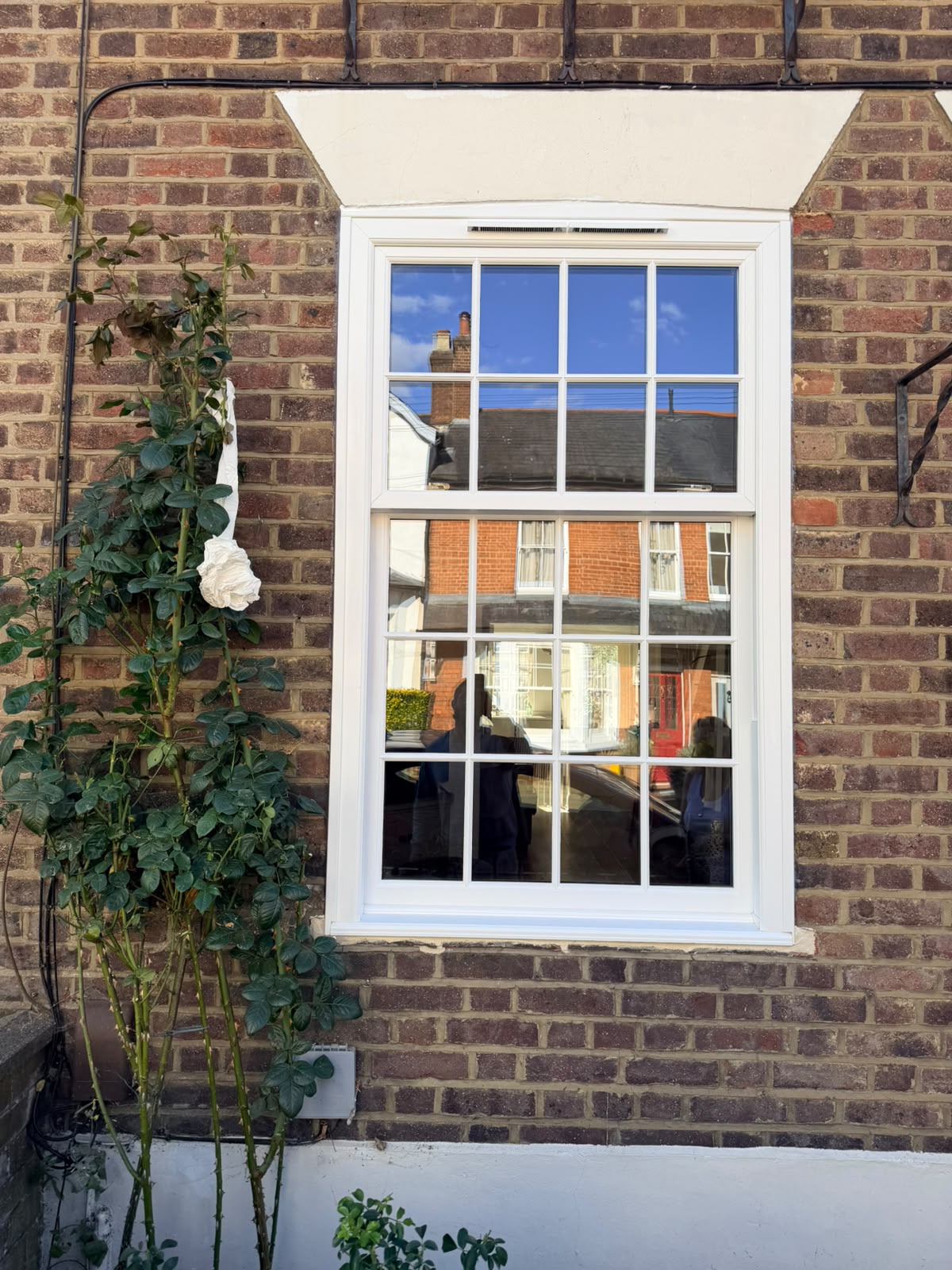
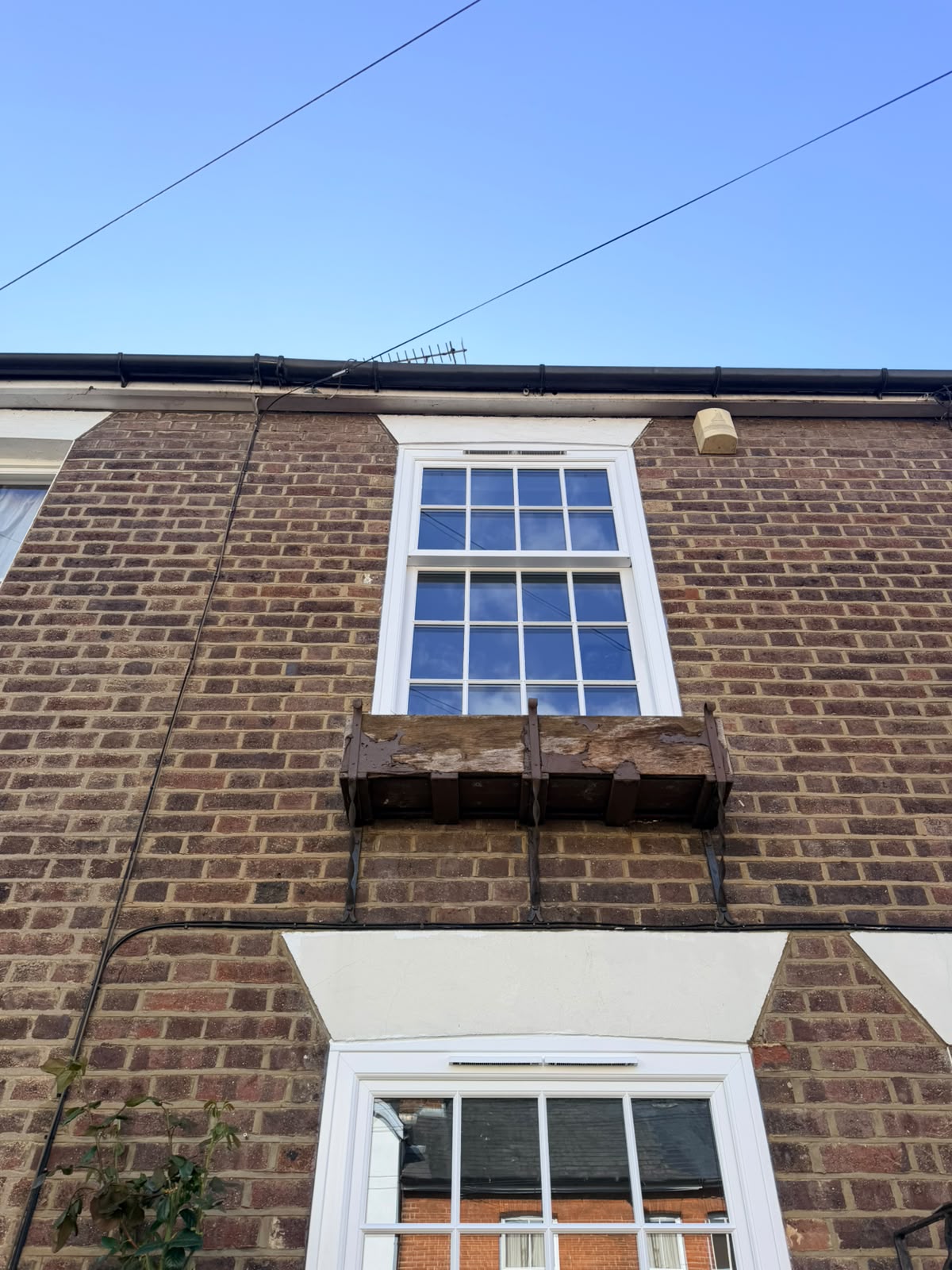












Write a brief for each room in your London Colney home. A bedroom that gets road noise may need better sound insulation, while the kitchen may need a catch you can reach around a tap. In a sitting room with a low window board, mark where the meeting rail will fall when you are seated. Start with these practical needs and then settle on one appearance across the front.
Keep the windows looking consistent outside
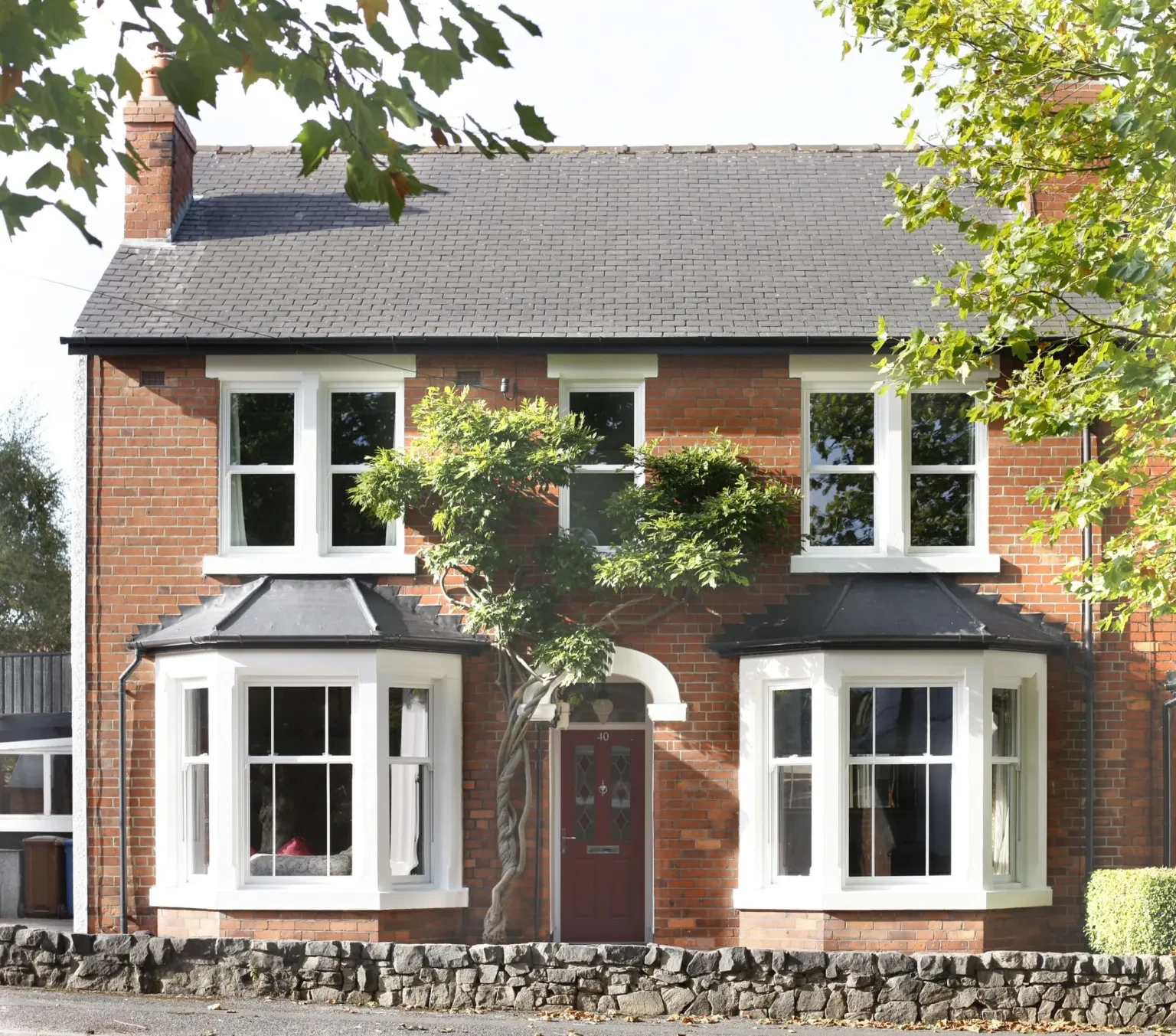
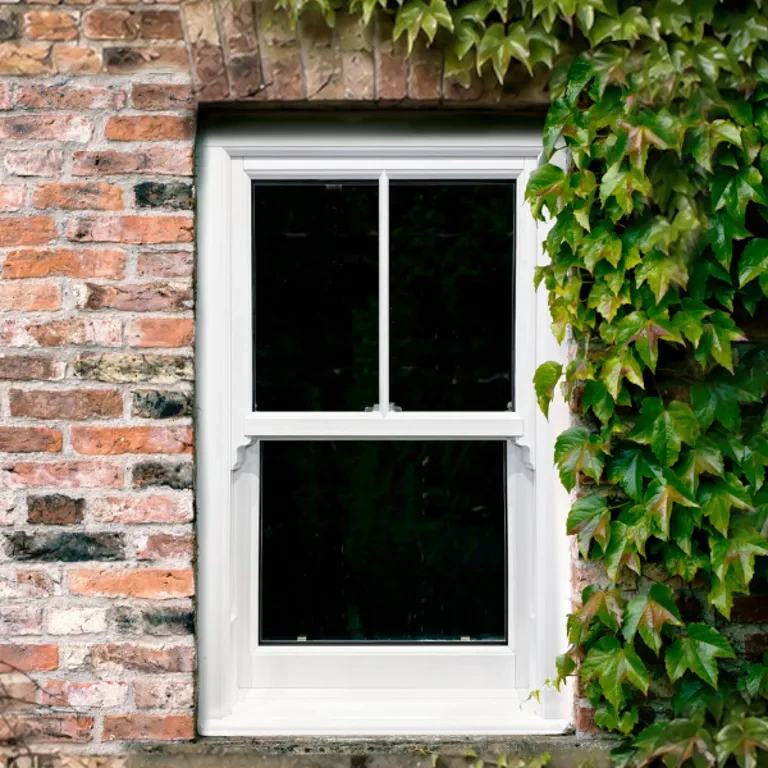
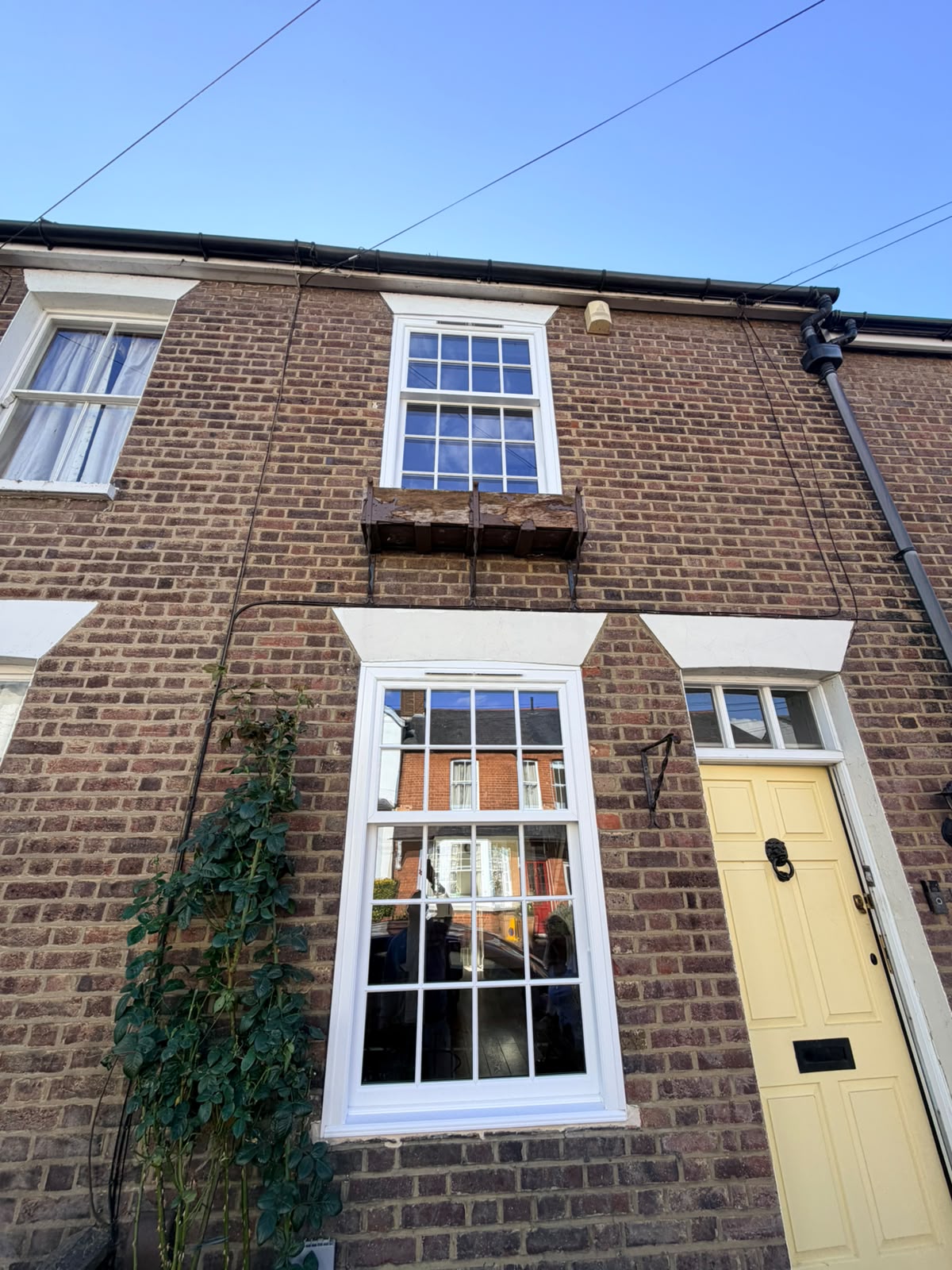
Ask for a front elevation drawing with each frame shown at scale. Check the proportion of the upper and lower sashes and make sure the bars line up where windows are grouped. If some windows will remain, show the surveyor which ones the new frames need to match. A sample held next to the brickwork is more informative than choosing a shade on a screen.
Balance quieter glazing with fresh air
If a front room picks up traffic, note when you hear it and how often the window is open. Ask what acoustic glazing is available for the proposed sash and how background ventilation will be provided. A pane is only one part of the assembly. The seals, vents and fit around the frame also matter. For colder rooms, compare whole-window U-values separately from noise figures. Homeowners planning a tailored specification often combine these options with Liniar casement profiles for added performance and architectural detail.
Test opening and cleaning arrangements
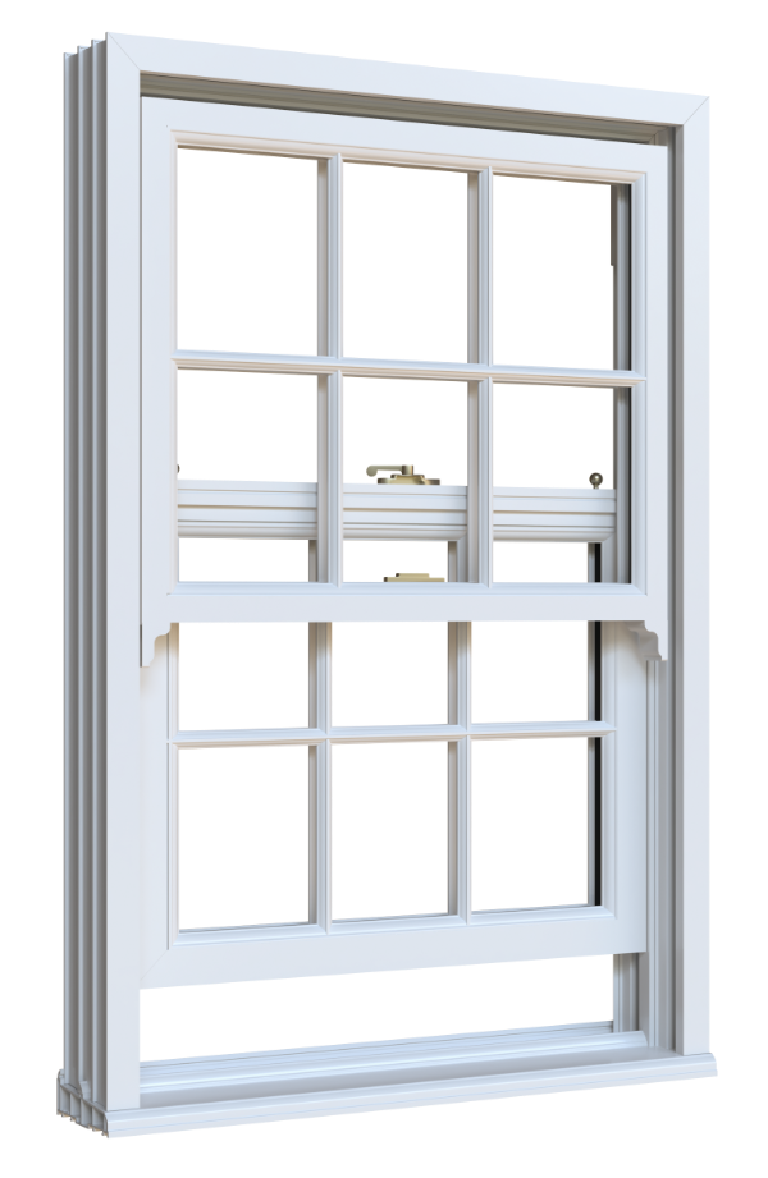
A vertical slider avoids a casement swinging over the worktop, but you still need access to the sash lifts. Check the handle height against any units, blinds or furniture. For an upstairs window, ask whether both sashes can be brought into a cleaning position. If there are children in the house, discuss what opening restrictors are available for the specific model and how they are operated.
Record the priorities for the order
A simple list can prevent room-specific choices being lost between the survey and manufacture. Note which glazing you want in the bathroom, whether the landing needs an easier cleaning arrangement and which sash needs a different handle position. Confirm that the drawings and quote use the same room names.
If some of the frames need access from a side alley or over a small rear extension, identify those openings early. Ask how the installers will protect floors and where they can store the new frames safely while each room is being worked on.
Use the survey to catch small details
Get the quote to identify glass, bars, finish and hardware for each opening. Ask where privacy glass will be used and check how the original internal trims will be dealt with. Confirm which works are included after the old frames come out. A room-by-room list makes it easier to check the installation at handover and know which specifications to repeat if you replace more windows later. Alongside our work in London Colney, we regularly install uPVC sash windows across Bricket Wood with the same 10-year guarantee.
What to confirm before ordering
- Privacy glazing marked against the right room
- Handle and vent positions checked on the drawing
- A consistent glazing-bar layout along the front