





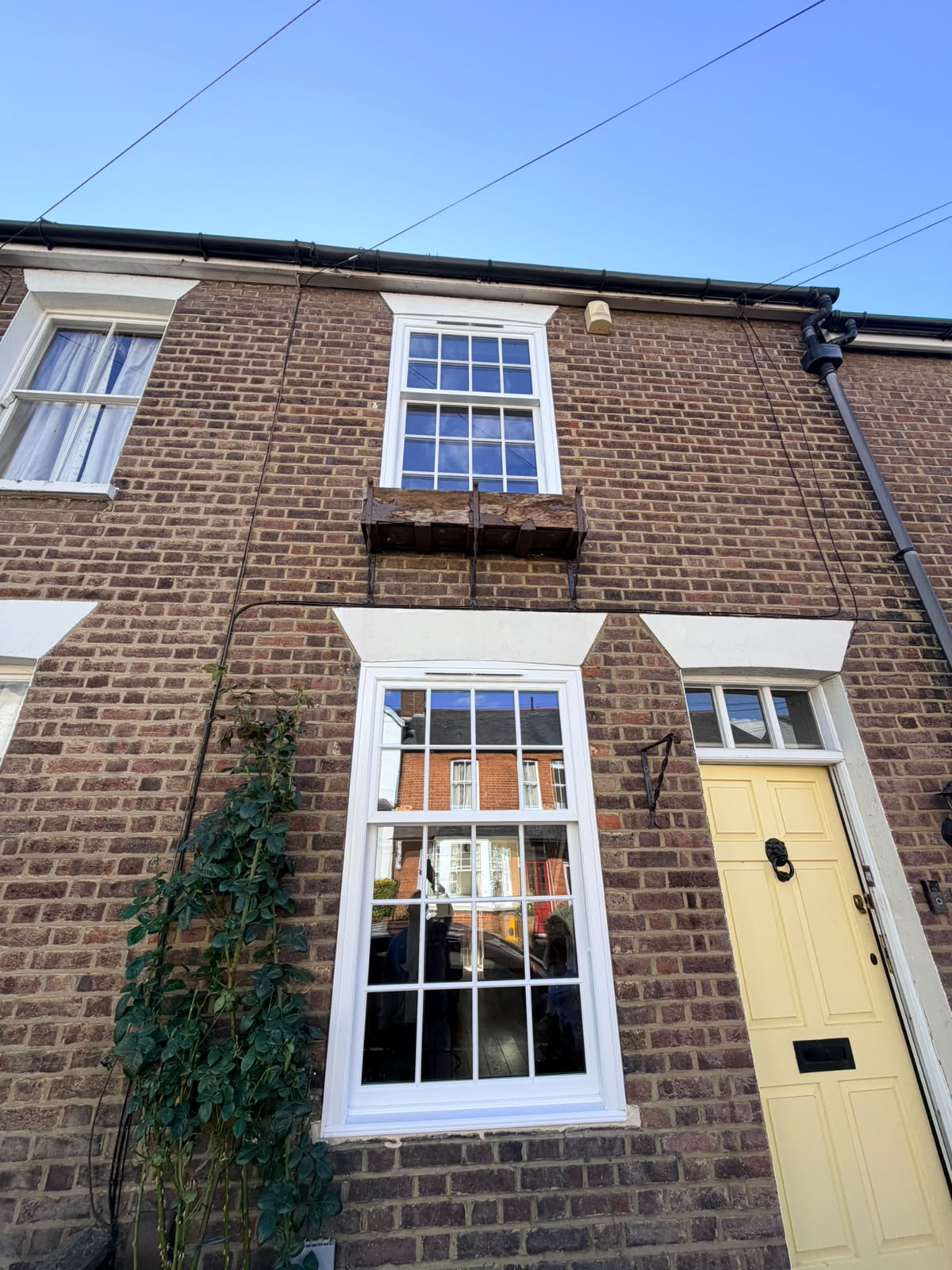
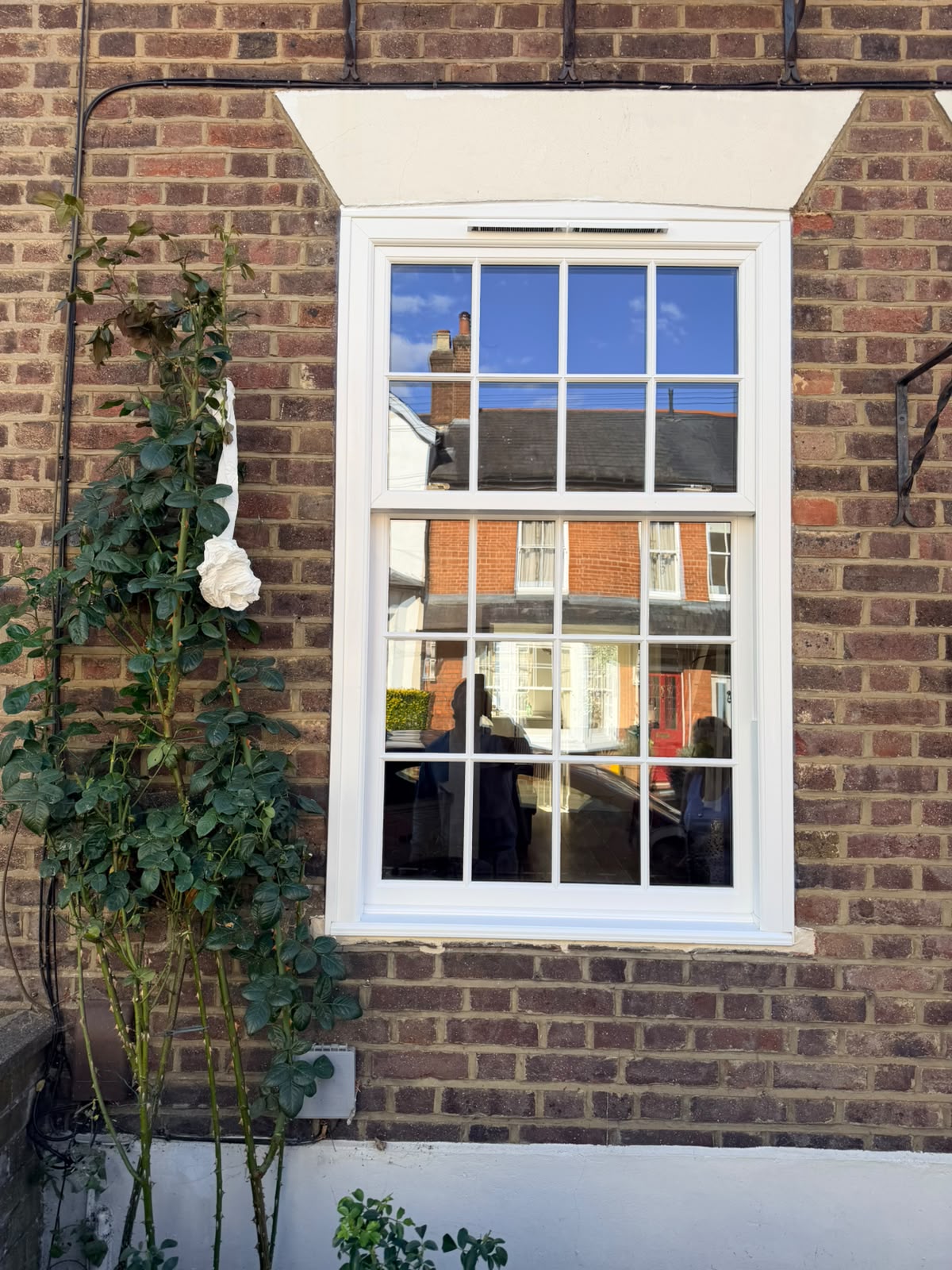
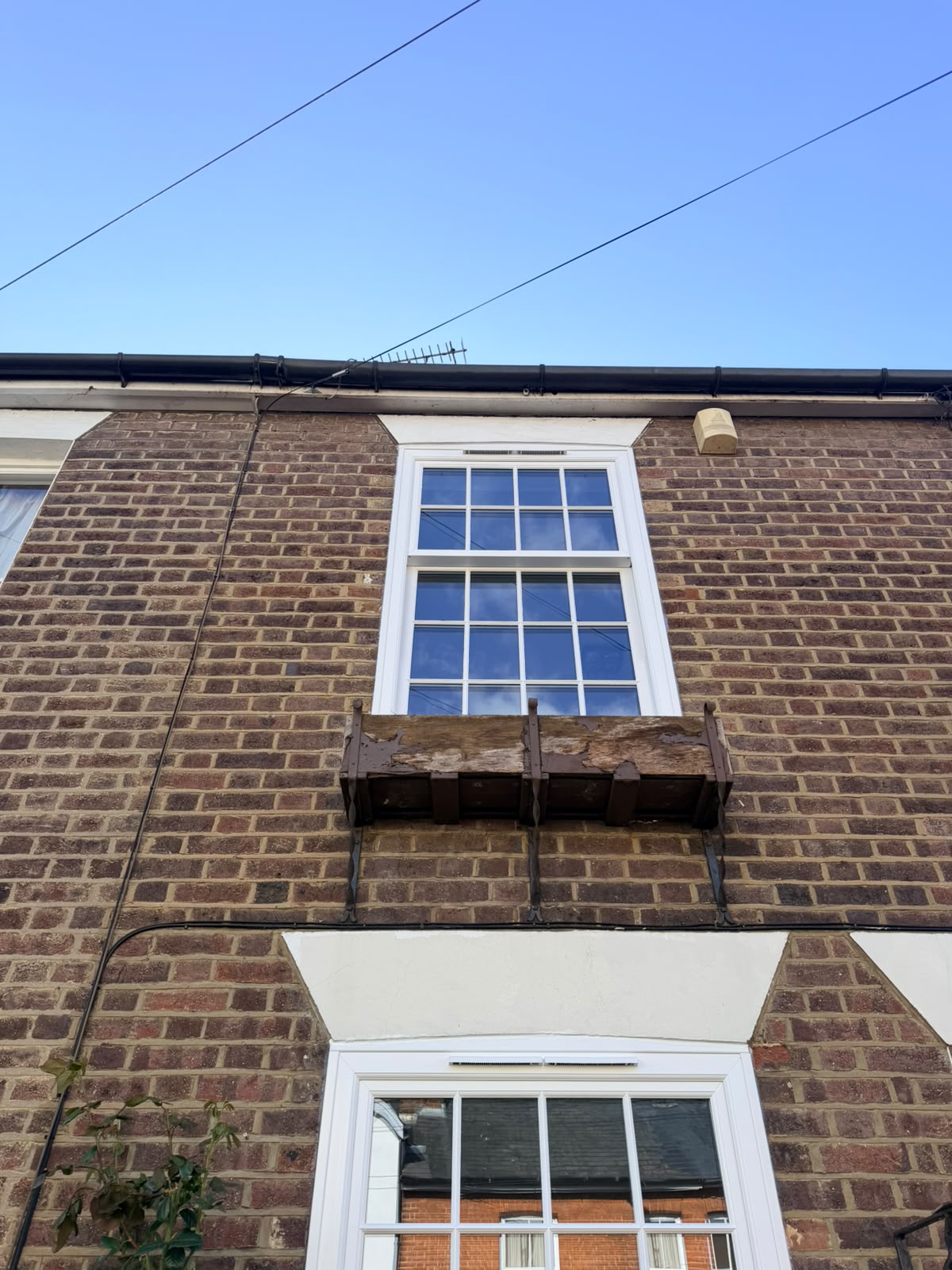












Noise is rarely the same on both sides of a Watford home. Listen from each room at the times that matter to you and note whether the sound is chiefly passing traffic, trains or voices. Check whether one noisy opening is near a vent or has a gap around the existing frame. Tell the installer which windows you usually open and when so the survey can address the right rooms first.
Treat the window as an assembly
Ask for details of acoustic glazing compatible with the chosen sliding sash. Different glass can help, but sound can also travel around the edges of a poorly fitted frame or through a vent. Discuss seals and background ventilation at the same time. Ask what figures are available for the proposed window and keep those separate from the whole-window U-value, which describes heat transfer.
Choose sashes that suit the street side
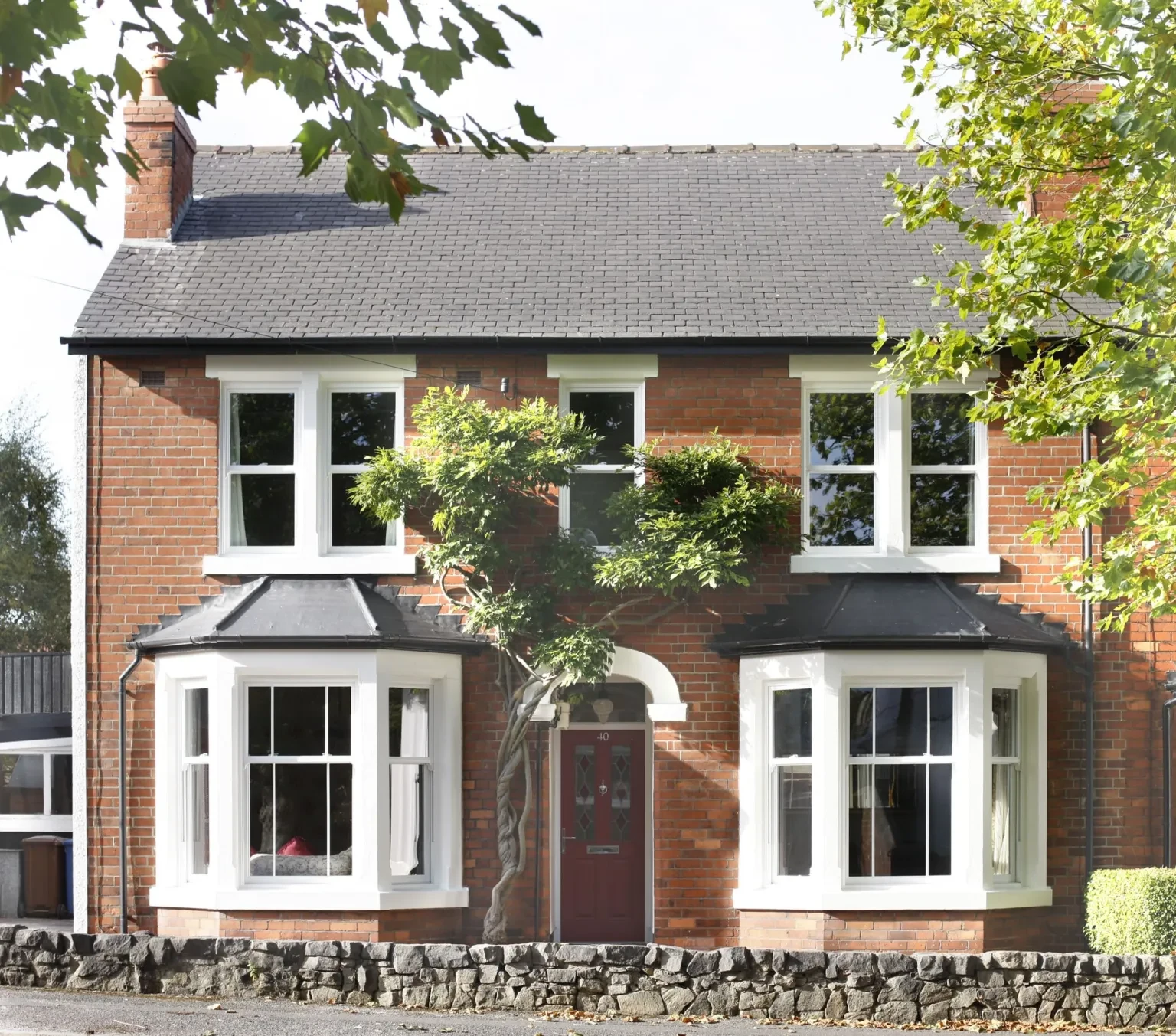
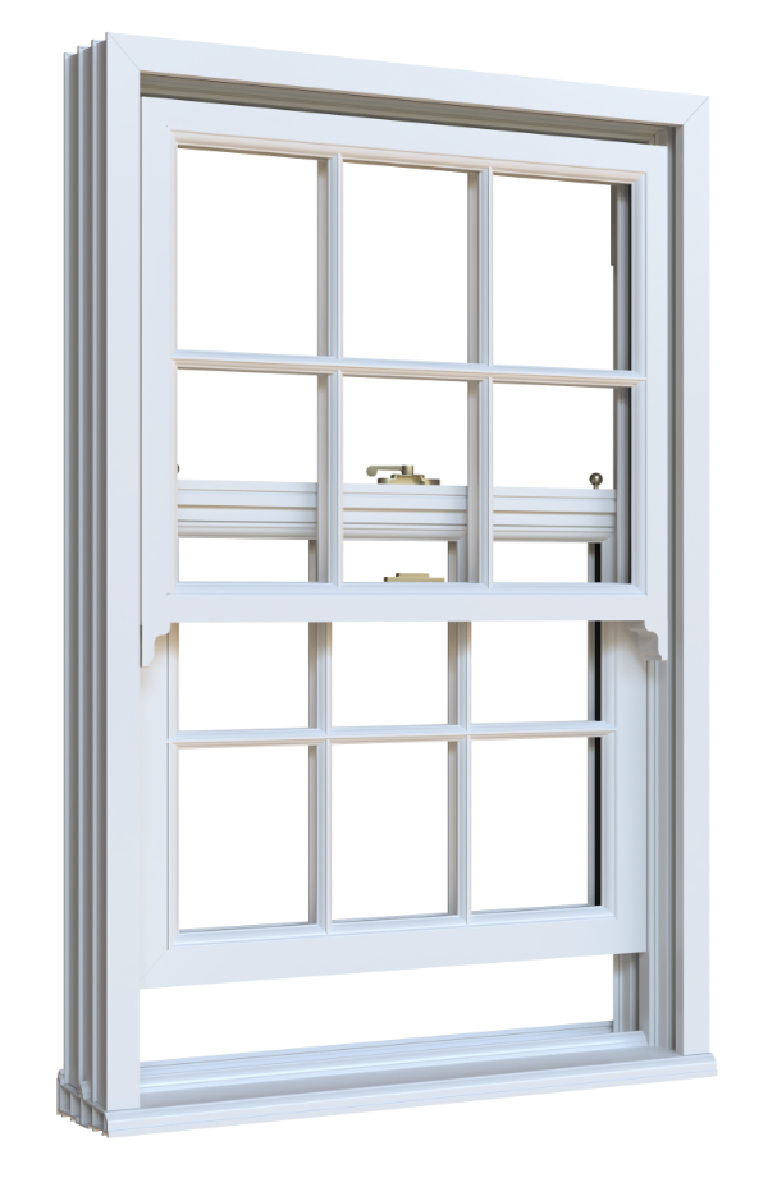
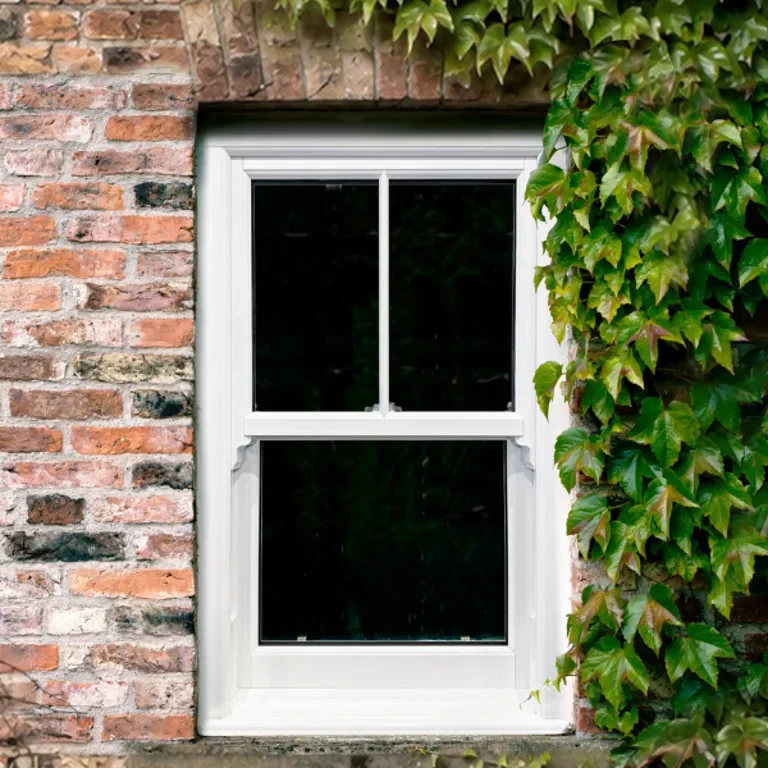
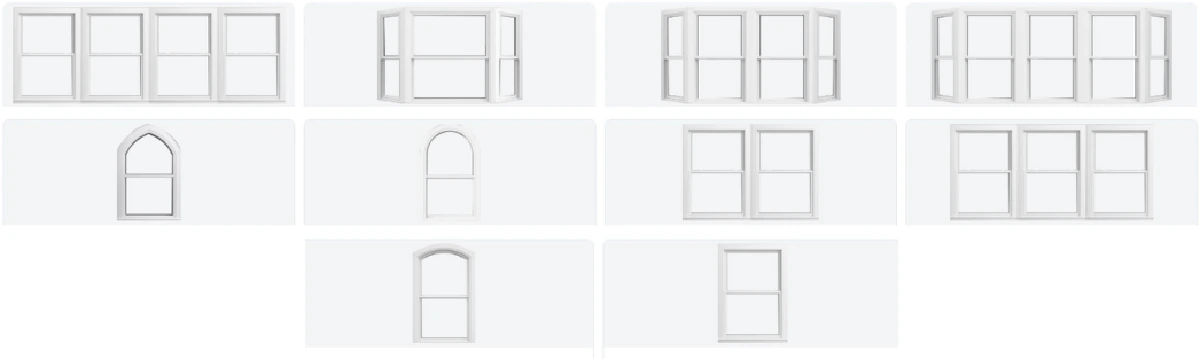
Compare the proposed rails, frame widths and glazing bars with the original frontage. Dark bars or a deeper frame can change how much daylight the room gets even when the overall opening remains the same. If the front and rear need different glass, confirm that the sash layout and visible finish still look consistent. Look at a corner sample alongside the brickwork before settling on a colour. If you are comparing specialist frame systems, take a look at our uPVC flush sash windows to see how different sightlines and opening configurations work together.
Plan for everyday use
Try the lifts and catches and ask how the sash can be held in a partially open position where appropriate. An acoustic upgrade matters most when the window is closed, so find out how the room can be ventilated without relying on a wide-open sash all day. Check access for cleaning upstairs and flag any blinds or furniture that might obstruct the hardware.
Check what difference you can expect at each opening
Ask for an explanation of the likely improvement based on what is currently fitted. Replacing a poorly sealed sash may make a more noticeable difference than changing glass alone in a window that already closes well. Give the installer examples of the sound you hear, including whether it is a steady background hum or an occasional passing vehicle.
Include access in the comparison if the property fronts a busy street. Confirm where frames will be unloaded and how the opening will be kept secure during the changeover. This is easy to overlook when the discussion is mainly about the glass specification.
Check the fit at installation
Ask the surveyor how installers will close the gap around the new frame and finish the surrounding reveal. Confirm which trims, cills and remedial work are included. When the windows are fitted, close and lock each sash, look for an even fit and ask how to report an adjustment. Keep the glass specification and installation records handy if a later upgrade needs to match the first. Our FENSA-registered fitters also carry out bespoke uPVC sash windows in High Wycombe and surrounding neighbourhoods.
What to confirm before ordering
- A record of the rooms and times worst affected by noise
- The glass, vent and seal specification for those rooms
- Agreed perimeter finishing and a demonstration of the catches